Structure
Visible structural components are observed for apparent condition and signs that may warrant attention or additional evaluation.

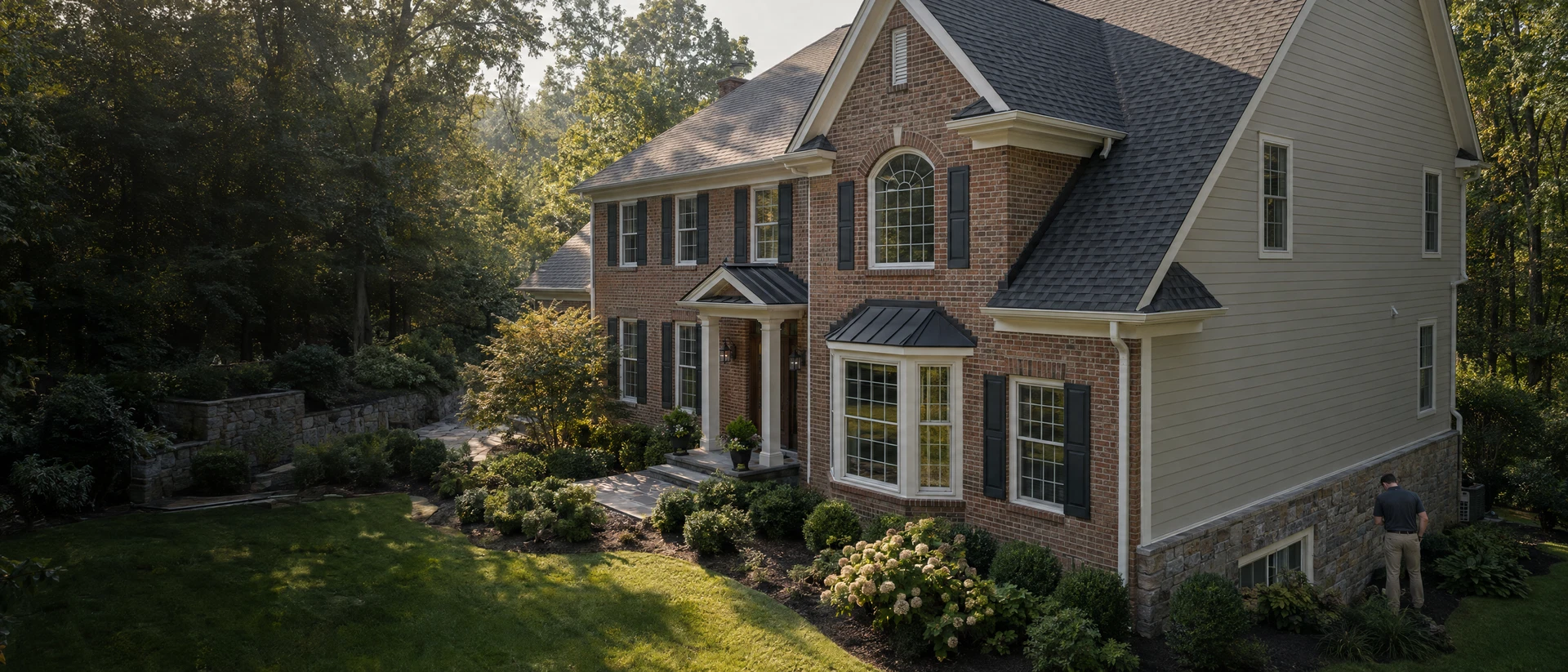
Residential Home Inspection
Understand visible conditions, ask informed questions, and move forward with clearer context about the property.
Clarity, not alarm
A home is made up of connected systems, materials, and components. An inspection brings those visible and accessible elements into one considered view, helping you understand the condition observed on the day of the appointment.
The goal is not to label a home as perfect or dangerous. It is to provide useful context about items that appear serviceable, conditions that may require maintenance or repair, and observations that may deserve further evaluation by an appropriate specialist.
Visible and accessible systems
The exact scope follows the applicable service agreement and Virginia requirements. The inspection is visual and non-invasive; it does not involve destructive testing or guarantee future performance.
Visible structural components are observed for apparent condition and signs that may warrant attention or additional evaluation.
Accessible roofing materials, penetrations, flashing, drainage, and related visible components are reviewed for condition.
Wall coverings, trim, grading, drainage, walkways, and other accessible exterior elements are considered in context.
Visible service equipment, panels, representative devices, and accessible electrical components are examined for observed conditions.
Accessible supply, distribution, drainage, fixtures, and water-heating components are considered for operation and condition.
Installed, accessible heating and cooling equipment is examined to help describe how the systems appear to be operating.
Where accessible, attic framing, insulation, ventilation, and visible signs of moisture or other conditions are observed.
Walls, ceilings, floors, stairs, railings, and installed components are reviewed for visible condition and function.
Representative accessible windows and doors are checked for operation, hardware, condition, and visible sealing concerns.
Visible foundation and accessible crawl-space areas are considered for observed conditions, support, and moisture indicators.
The client experience
Use the scheduling page, call, or email to begin. Once scheduling details are confirmed, the applicable agreement and scope information can explain what will be included for the property.
Randy works through the home methodically, considering visible and accessible components in context. When appropriate, clients can ask questions and hear observations in clear language.
Findings are organized into a practical report with photographs where appropriate. The purpose is to help distinguish routine maintenance from repairs or items that may need qualified follow-up.
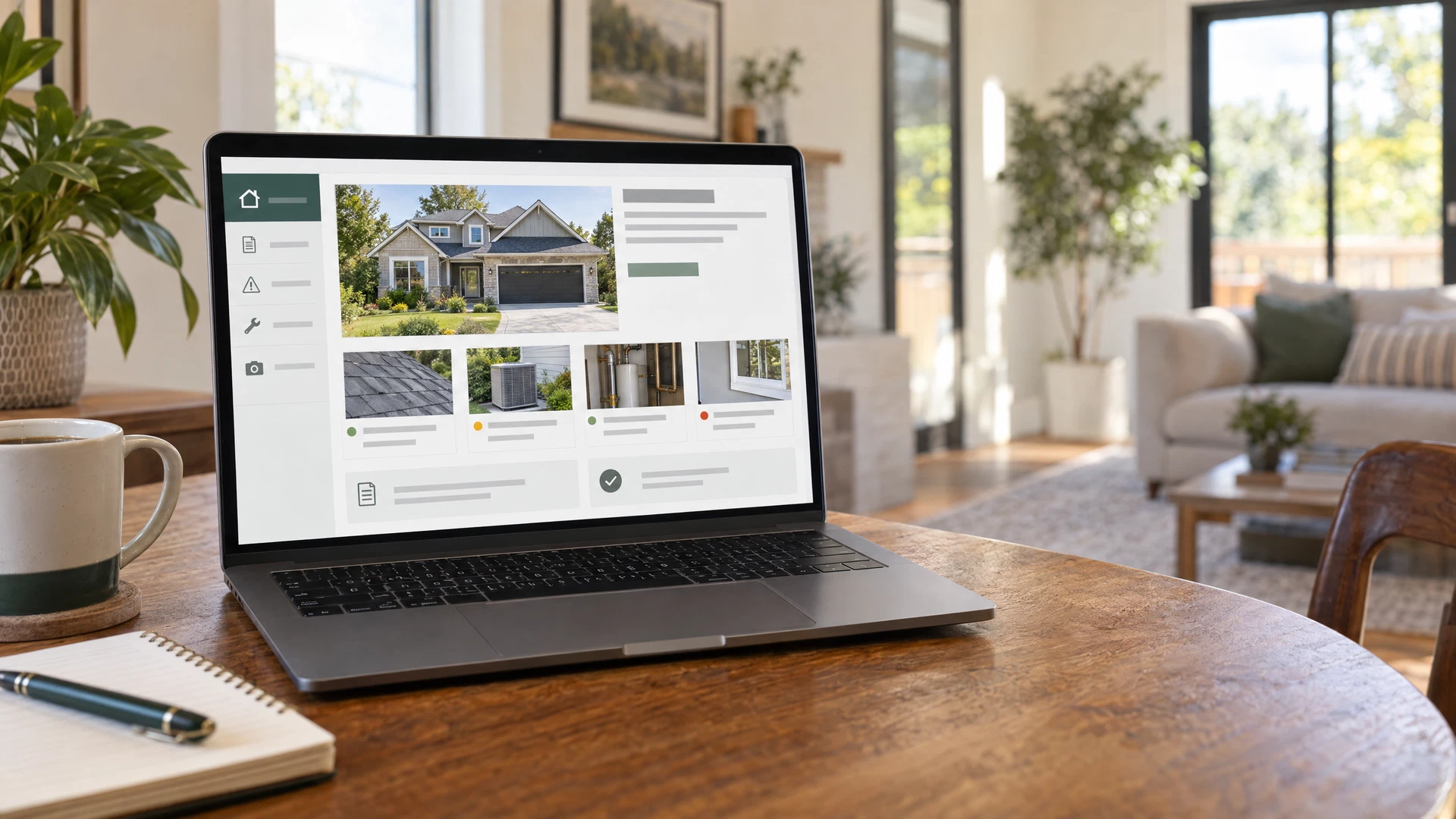
Clear reporting · Useful context
A useful inspection report should help you understand what was observed and why it matters. Habitat focuses on clear descriptions, supporting photographs where appropriate, and practical context rather than unexplained terminology.
No specific reporting software or delivery timeline is represented here until those details are formally established. The priority is understandable communication and room for client questions.
Ready to understand the property?
Work directly with owner-inspector Randy Gage.